
Helen Shaw bought an expensive drawing tablet, but a month later she put it aside - it turned out the digital tool required separate learning that distracted from illustration itself. Choosing materials at the outset is a decision that shapes the entire learning process that follows.
Traditional materials for beginners
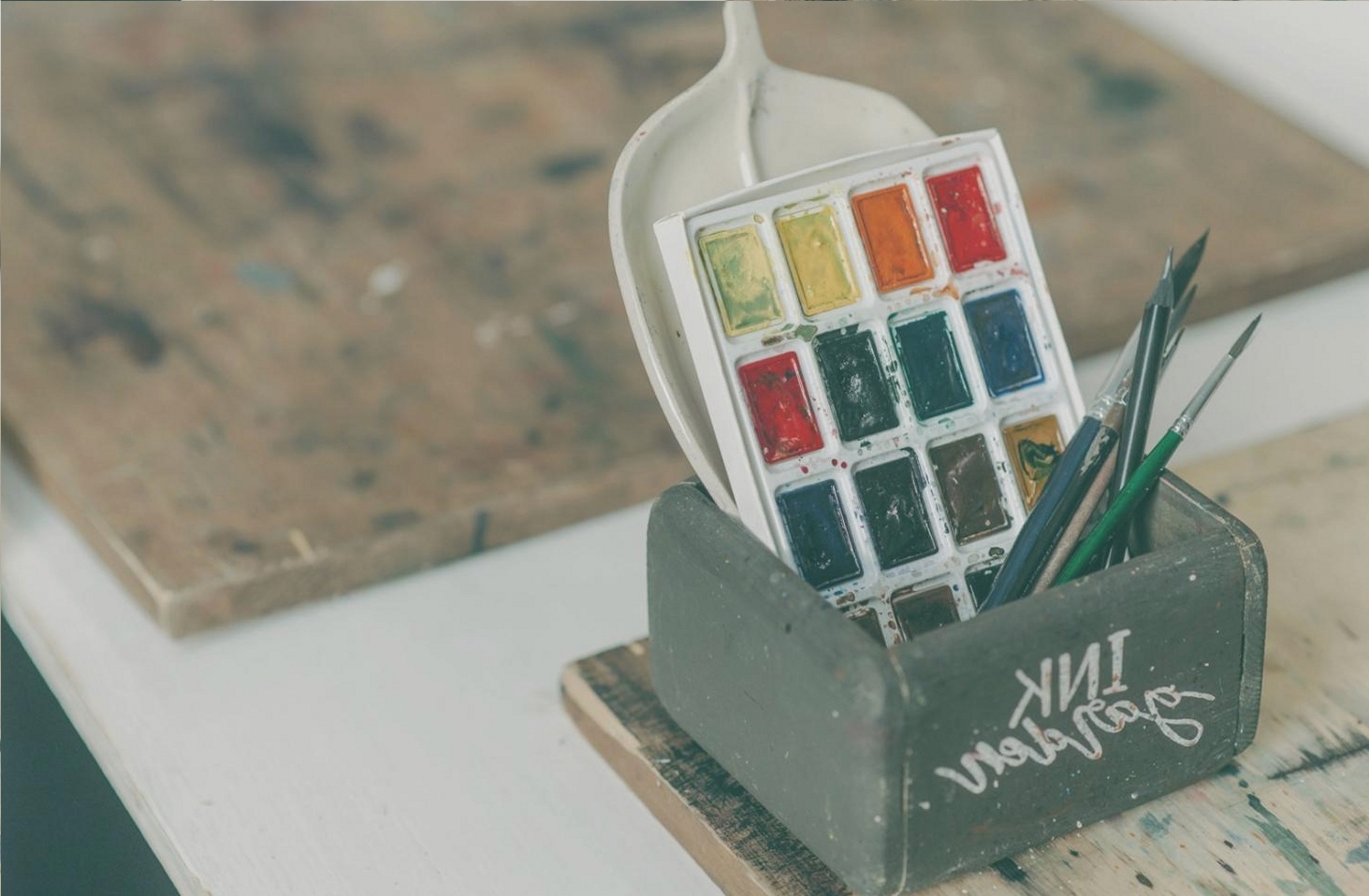
Mark Tomlin's book The Urban Sketcher explains how to begin with a simple kit: a pencil, a liner and a sketchbook. The author describes specific brands and characteristics suited to different tasks. That is useful, because the choice in art shops is often bewildering.
Digital tools - when and whether
If you fancy trying digital drawing, it is worth starting with the free Autodesk Sketchbook app. It has a simple interface and isn't overloaded with features. The iPad Lettering website has a section for absolute beginners explaining basic brush settings.
How to organise regular practice
The Drawabox resource recommends drawing for 15 to 30 minutes a day, but no more - to avoid fatigue and keep your attention sharp. Many drawing tutors confirm this observation: short regular sessions produce better results than occasional lengthy ones.
There is no right answer when choosing between traditional and digital materials - what matters is that the tool does not become an obstacle to drawing itself at the early stage.